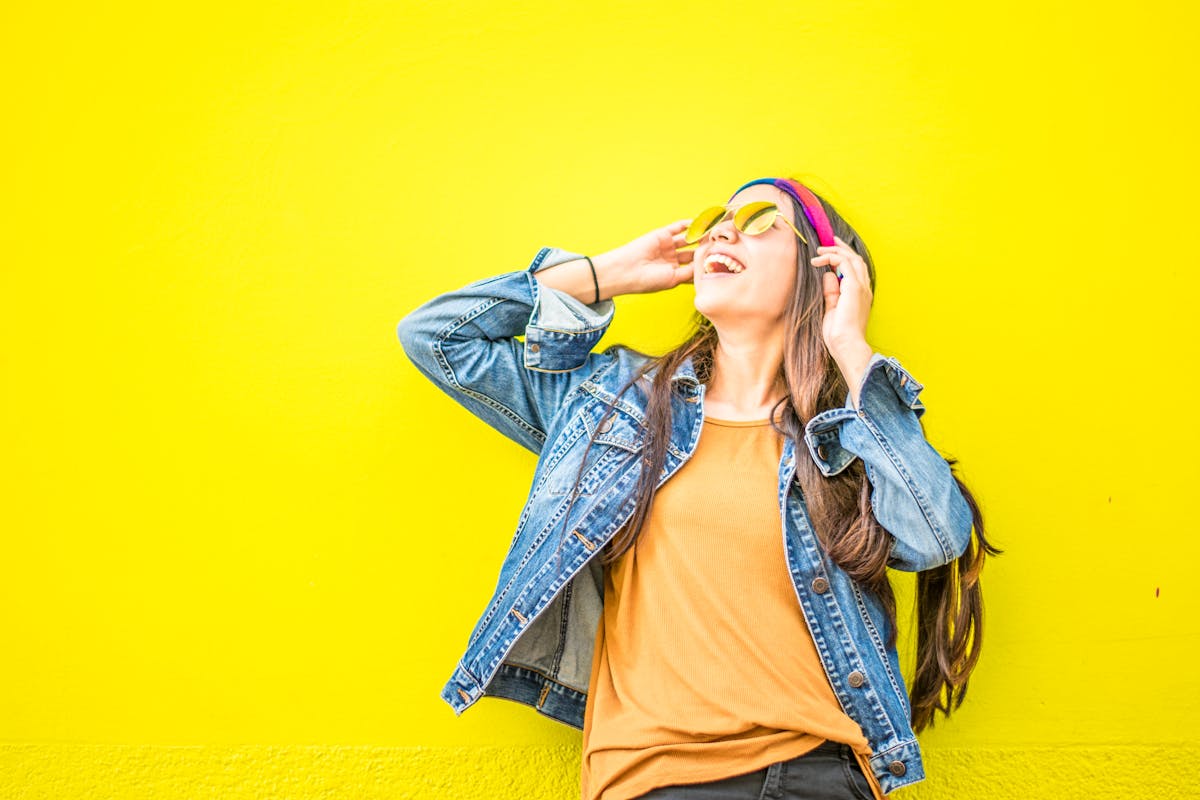
The marketing landscape has witnessed a seismic shift in how brands approach lifestyle photography. What once required elaborate production budgets, casting calls, and multi-day shoots can now be accomplished in minutes through sophisticated AI image generation tools. This technological revolution is reshaping not just how visual content is created, but fundamentally altering the economics of brand storytelling across industries.
The Perfect Storm of Demand and Technology
Modern brands face an unprecedented hunger for visual content. Social media platforms demand fresh imagery daily, while e-commerce sites require dozens of lifestyle shots per product. Traditional photography, while irreplaceable for many applications, often struggles to meet this volume at sustainable costs. A typical lifestyle photo shoot can range from $2,000 to $15,000 per day, not including model fees, location costs, and post-production expenses.
Enter AI-generated lifestyle photography, where similar quality visuals can be produced for a fraction of the cost. Platforms like Midjourney, DALL-E, and Stable Diffusion have evolved from novelty tools to professional-grade solutions capable of creating photorealistic lifestyle imagery that’s increasingly difficult to distinguish from traditional photography.
Real-World Success Stories
Several forward-thinking brands have already integrated AI-generated lifestyle photography into their visual strategies with remarkable results. Cosmetics brand Lensa reported a 40% reduction in content production costs after implementing AI tools for their social media campaigns. The company uses AI to generate diverse lifestyle shots featuring their products in various settings, from minimalist bathrooms to bustling coffee shops.
Fashion retailer ThreadForward took a different approach, using AI to create lifestyle imagery for products that hadn’t yet been photographed with models. By generating realistic scenes of their clothing items in everyday situations, they reduced time-to-market for new products by an average of two weeks while maintaining conversion rates comparable to traditionally shot imagery.
The Technical Advantages
Beyond cost savings, AI-generated lifestyle photography offers unique advantages that traditional shoots cannot match. Brands can now instantly test multiple visual concepts, adjust lighting conditions with simple text prompts, and create imagery for scenarios that would be logistically challenging or expensive to shoot in reality.
The technology excels particularly in creating consistent brand aesthetics across large volumes of content. Many marketing teams struggle to maintain visual cohesion across hundreds of images when working with different photographers, locations, and lighting conditions. AI tools can maintain consistent color palettes, mood, and styling effortlessly across entire campaigns.
Navigating the Creative Process
Successful AI-generated lifestyle photography requires a strategic approach that goes beyond simply typing prompts into a generator. The most effective implementations involve detailed style guides that translate brand aesthetics into AI-readable parameters. Leading agencies recommend creating prompt libraries that maintain consistency while allowing for creative variation.
The iterative nature of AI generation also demands new workflows. Unlike traditional shoots where reshoots are expensive and time-consuming, AI allows for rapid iteration and refinement. Smart brands are leveraging this capability to A/B test visual concepts before committing to larger production runs.
Integration with existing marketing workflows has become crucial. Tools that streamline this process, such as ShipPost’s AI reply engine for social media management, demonstrate how AI is being woven throughout the entire marketing technology stack, creating more cohesive and efficient brand communications.
Quality Considerations and Best Practices
While AI-generated imagery has reached impressive quality levels, successful implementation requires understanding its current limitations. Fine details like hands, text, and complex product interactions still pose challenges. Smart brands use AI for broader lifestyle scenes while combining these with traditionally shot product detail photos for a hybrid approach that maximizes both efficiency and quality.
Resolution and licensing considerations also play crucial roles. Most AI platforms now offer commercial licensing options, but brands must carefully review terms of use, especially for high-profile campaigns. Additionally, while AI can generate high-resolution images, the quality isn’t always consistent across all output resolutions, requiring careful evaluation for different use cases.
The Economic Impact
The numbers speak volumes about AI’s growing dominance in lifestyle photography. Industry research indicates that brands using AI for at least 30% of their lifestyle imagery report average cost savings of 60-75% compared to traditional photography workflows. More importantly, these same brands report being able to increase their visual content output by 300% without proportional increases in budget or team size.
These economics are particularly compelling for mid-market brands that previously couldn’t justify extensive lifestyle photography budgets. AI democratizes access to high-quality visual content, enabling smaller companies to compete visually with larger competitors who have traditionally dominated through superior production values.
The rise of AI-generated lifestyle photography represents more than just a technological advancement—it’s a fundamental shift toward more agile, cost-effective, and creative visual marketing. As the technology continues to evolve and quality improvements accelerate, brands that master this new medium will find themselves with significant competitive advantages in an increasingly visual-first marketplace. The question isn’t whether AI will transform lifestyle photography, but how quickly brands can adapt to leverage its revolutionary potential.
More on adjacent trends at DreamWorks Plus.