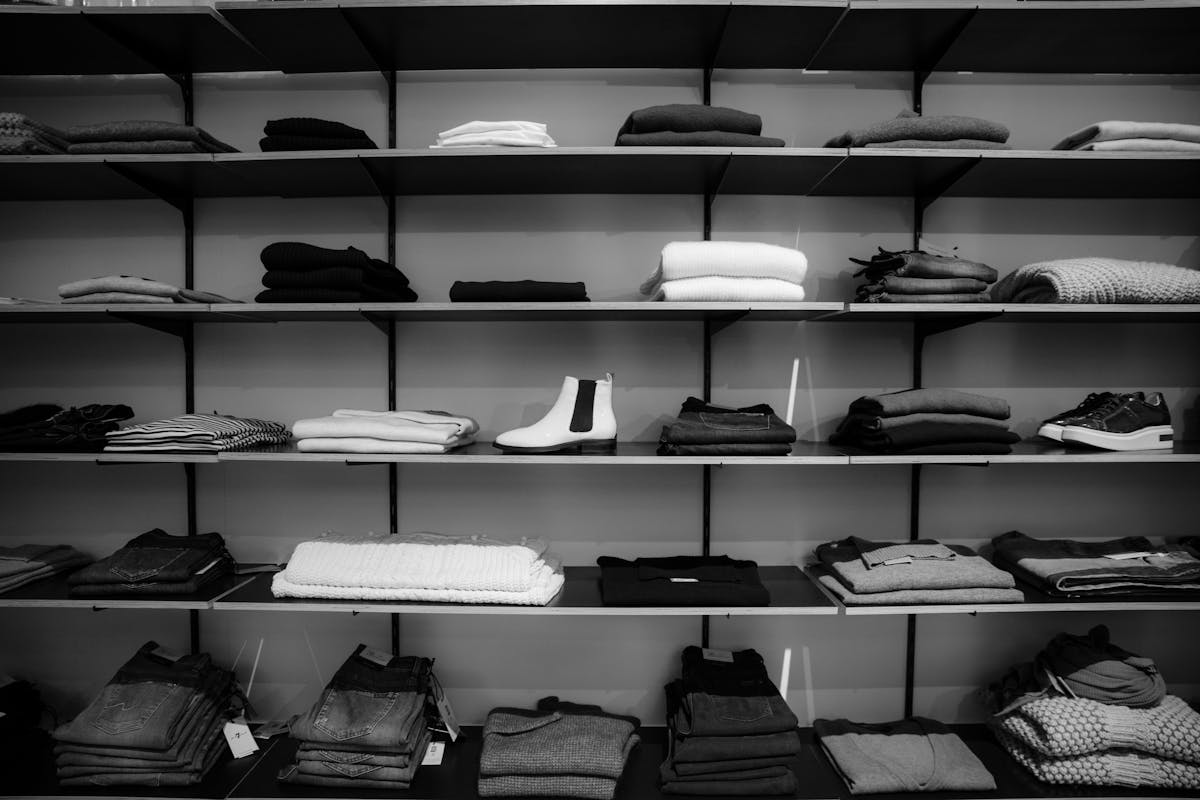
The e-commerce explosion has created an insatiable demand for product imagery, leaving brands and marketers scrambling to source high-quality visuals that convert browsers into buyers. With millions of products launching daily across platforms like Amazon, Shopify, and social media channels, the question isn’t whether you need compelling product images—it’s where to get them efficiently and cost-effectively.
The Stock Photography Giants: Shutterstock vs Adobe Stock
Shutterstock and Adobe Stock dominate the traditional stock photography landscape, each offering distinct advantages for product imagery sourcing. Shutterstock’s vast library contains over 400 million images, with approximately 2.5 million new assets added weekly. Their standard license starts at $29 per month for 10 downloads, making it roughly $2.90 per image—reasonable for established businesses with consistent needs.
Adobe Stock integrates seamlessly with Creative Cloud applications, offering 10 standard images monthly for $29.99. The real value emerges for existing Adobe subscribers, who receive significant discounts and workflow efficiencies. Adobe’s curation tends toward higher-end lifestyle and conceptual imagery, making it particularly valuable for premium product positioning.
Real-World Performance Metrics
Recent industry analysis shows Shutterstock excels in volume and variety, particularly for generic product categories like electronics, home goods, and beauty products. A typical search for “wireless headphones” yields over 50,000 results on Shutterstock versus approximately 35,000 on Adobe Stock. However, Adobe Stock’s results often demonstrate superior lighting and composition quality, as covered in depth by Dream AI Art in their recent comparative study of visual aesthetics across stock platforms.
Both platforms struggle with authenticity—a critical factor as consumers increasingly favor genuine, unpolished imagery over sterile stock photos. The over-processed, artificial look that plagues many stock images can actually hurt conversion rates, particularly for brands targeting younger demographics.
The AI Revolution: Disrupting Traditional Stock Photography
Artificial intelligence has fundamentally altered the product imagery landscape, offering unprecedented speed and customization at fraction of traditional costs. Platforms like Midjourney, DALL-E 3, and Stable Diffusion can generate product images for approximately $0.10-$0.50 per image, representing a 90% cost reduction compared to stock photography.
AI-generated product imagery offers several compelling advantages. First, complete customization: you can specify exact colors, backgrounds, lighting conditions, and styling elements. Second, unlimited variations: generate dozens of product shots with different angles and settings in minutes. Third, brand consistency: maintain precise visual coherence across entire product lines.
AI Limitations and Considerations
Despite impressive capabilities, AI-generated imagery faces significant limitations for product photography. Fine details often appear inconsistent—text on packaging may be garbled, product proportions can seem off, and complex products like electronics frequently contain impossible design elements. Additionally, legal considerations remain murky regarding AI-generated commercial imagery, particularly around trademark and copyright issues.
For social media marketing, where brands need rapid content creation for platforms like Instagram and Twitter, AI tools pair exceptionally well with free X/Twitter growth tools to create comprehensive digital marketing campaigns that maintain visual consistency while scaling content production efficiently.
Strategic Decision Framework
The optimal choice depends on specific business needs and constraints. Established brands with substantial budgets should consider Adobe Stock for hero imagery and lifestyle shots, given the superior quality and professional polish. Shutterstock works best for businesses needing high-volume, diverse imagery across multiple product categories.
AI generation excels for concept development, social media content, and situations requiring specific customization unavailable in stock libraries. Small businesses and startups particularly benefit from AI’s low barrier to entry and unlimited iteration capabilities.
Hybrid Approaches Drive Results
Leading e-commerce brands increasingly adopt hybrid strategies, using stock photography for primary product shots while leveraging AI for supporting content like lifestyle scenes, seasonal variations, and social media assets. This approach maximizes quality where it matters most while optimizing costs for secondary imagery.
Consider subscription timing carefully. Shutterstock and Adobe Stock both offer annual discounts of 15-20%, while AI platforms typically charge per generation or monthly credits. For businesses with predictable imagery needs, annual stock subscriptions provide better value. For irregular or experimental use, AI generation offers superior flexibility.
The Future of Product Imagery
As AI technology rapidly evolves and stock photography platforms adapt to changing market dynamics, the lines between traditional and generated imagery continue blurring. The most successful brands will be those that strategically combine the reliability and quality of established stock platforms with the innovation and cost-efficiency of AI generation, creating compelling visual experiences that drive measurable business results while staying ahead of an increasingly competitive digital marketplace.