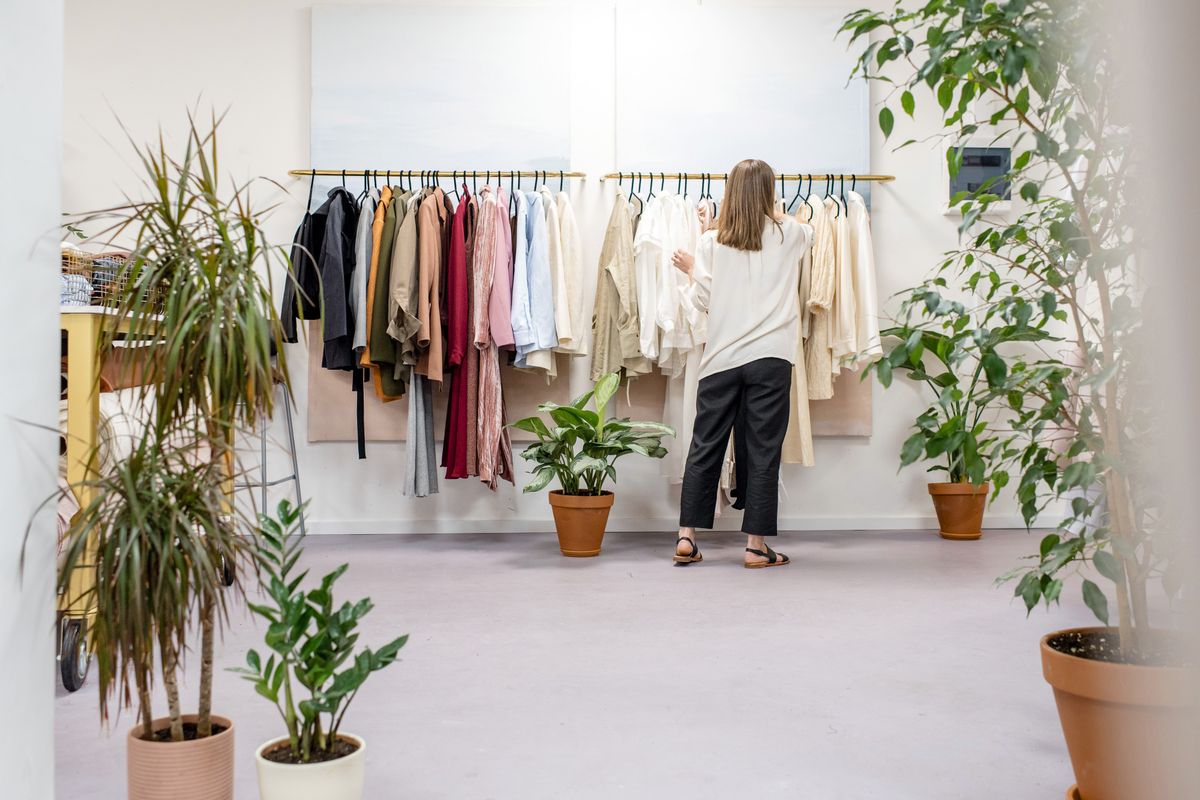
Six months ago, a mid-size activewear brand spent $42,000 producing its spring lookbook: a two-day studio shoot, a team of twelve, and three weeks of post-production before a single image reached the website. Today, that same brand generates comparable lookbook variations using AI image tools for roughly $3,000 in software subscriptions and freelance retouching, cutting turnaround from three weeks to four days. This shift isn’t a fringe experiment anymore — it’s becoming standard operating procedure across the fashion industry, and it’s reshaping how brands think about photography budgets, model diversity, and creative iteration.
Why Fashion Brands Are Turning to AI
Lookbook photography has always been one of the most expensive line items in a brand’s marketing calendar. Between location fees, model day rates, styling teams, and photographer costs, a single seasonal shoot can easily run into six figures for larger labels. AI-assisted production tools — including generative background replacement, virtual try-on systems, and AI model generation platforms like Lalaland.ai and Botika — are compressing that cost structure dramatically.
Levi’s made headlines in 2023 when it partnered with Lalaland.ai to test AI-generated models alongside its existing diverse casting, aiming to “increase the number and diversity of our models” without the logistical cost of flying in talent for every market variation. H&M followed with its own exploration of AI “digital twins” of real models, allowing the brand to reuse a single photoshoot across dozens of localized marketing contexts. These aren’t hypothetical use cases anymore — they’re documented campaigns from two of the largest apparel retailers in the world.
Where AI Fits in the Production Pipeline
Most brands aren’t replacing photographers wholesale. Instead, AI tools are being layered into specific stages of production:
- Pre-production previsualization: Brands use tools like Midjourney or Adobe Firefly to mock up lookbook concepts, color palettes, and composition ideas before booking an expensive studio day, reducing wasted shoot time by an estimated 20-30%, according to several production studios interviewed for this piece.
- Background and scene generation: Rather than renting a Parisian rooftop or a Malibu beach house, stylists shoot models against seamless backdrops and composite AI-generated environments afterward, saving $5,000-$15,000 per location in typical mid-market budgets.
- Virtual sampling: Brands like Revolve and ASOS have piloted AI-rendered garments on digital models to preview how fabric drapes before physical samples are even cut, shortening design-to-market timelines.
- Post-production retouching: AI-powered tools from Retouch4me and Facetune Pro now handle skin smoothing, color correction, and garment wrinkle removal in minutes rather than the hours a human retoucher would need per image.
The Cost Math, Broken Down
A traditional 50-look lookbook shoot for a direct-to-consumer brand typically breaks down as follows: $8,000-$15,000 for models, $6,000-$10,000 for a photographer and crew, $4,000-$8,000 for studio or location rental, and $5,000-$12,000 for retouching — landing somewhere between $23,000 and $45,000 total, excluding travel.
Compare that to an AI-augmented hybrid shoot: brands still hire photographers and a smaller cast of models (to maintain authenticity and avoid the uncanny-valley backlash that plagued Levi’s initial announcement), but supplement with AI backgrounds, batch retouching, and generative variation for e-commerce size/color swaps. Total costs in case studies shared by independent production agencies range from $9,000 to $18,000 — a reduction of roughly 55-60%.
The Backlash Brands Need to Plan For
Not every rollout has gone smoothly. Levi’s faced immediate criticism from body-diversity advocates who argued that AI-generated “diverse” models sidestep the actual labor and representation issues the fashion industry has been pressured to address for a decade. Any brand considering AI lookbook production should budget for a transparency strategy — clear labeling of AI-assisted imagery, continued investment in real model casting, and a PR response plan. This reputational dimension has been covered in depth by Clever Fashion Media, which has tracked consumer sentiment data showing younger shoppers are notably more skeptical of fully synthetic campaign imagery than older demographics.
Practical Advice for Smaller Brands
Independent and small-to-mid-size labels don’t need enterprise AI platforms to benefit. A boutique brand can start with:
- Shooting a smaller core set of “hero” images with real models and photographers, then using AI tools to generate background and color variations for the full product catalog.
- Using AI upscaling tools to repurpose older campaign photography for new formats, rather than reshooting entirely.
- Testing AI-generated flat-lay and texture backgrounds for e-commerce thumbnails, where photorealism matters less than consistency.
Once the lookbook is finalized, don’t overlook the distribution layer. Images that look stunning on a website often get cropped awkwardly or display as broken thumbnails when shared on social platforms. Running finished assets through a free Open Graph tag generator for image-share previews ensures lookbook images render correctly when linked across Instagram, Pinterest, and press placements